Choose your phone ecosystem first. Then compare comfort, battery and health features.
Apple Watch vs Galaxy Watch is the question I get asked constantly by friends shopping for a new smartwatch, and my answer always starts the same way: it depends less on which watch is “better” and more on what’s already in your pocket. After spending real time with both the Apple Watch Series 11 and the Samsung Galaxy Watch 8, the gap between them isn’t really about quality — both are excellent. It’s about ecosystem, and getting that part wrong is the single most common mistake people make with this purchase.
Quick comparison
The one decision that actually matters
Before comparing a single spec, here’s the thing that determines everything else: the Apple Watch requires an iPhone and loses nearly all of its functionality on Android. The Galaxy Watch8 is designed for Android phones and does not pair with an iPhone; some health features work best with a compatible Samsung Galaxy phone. If you own an iPhone, choose the Apple Watch. If you use Android, choose the Galaxy Watch8 or another Wear OS watch. Comparing specs matters far less than comparing what’s already in your pocket.
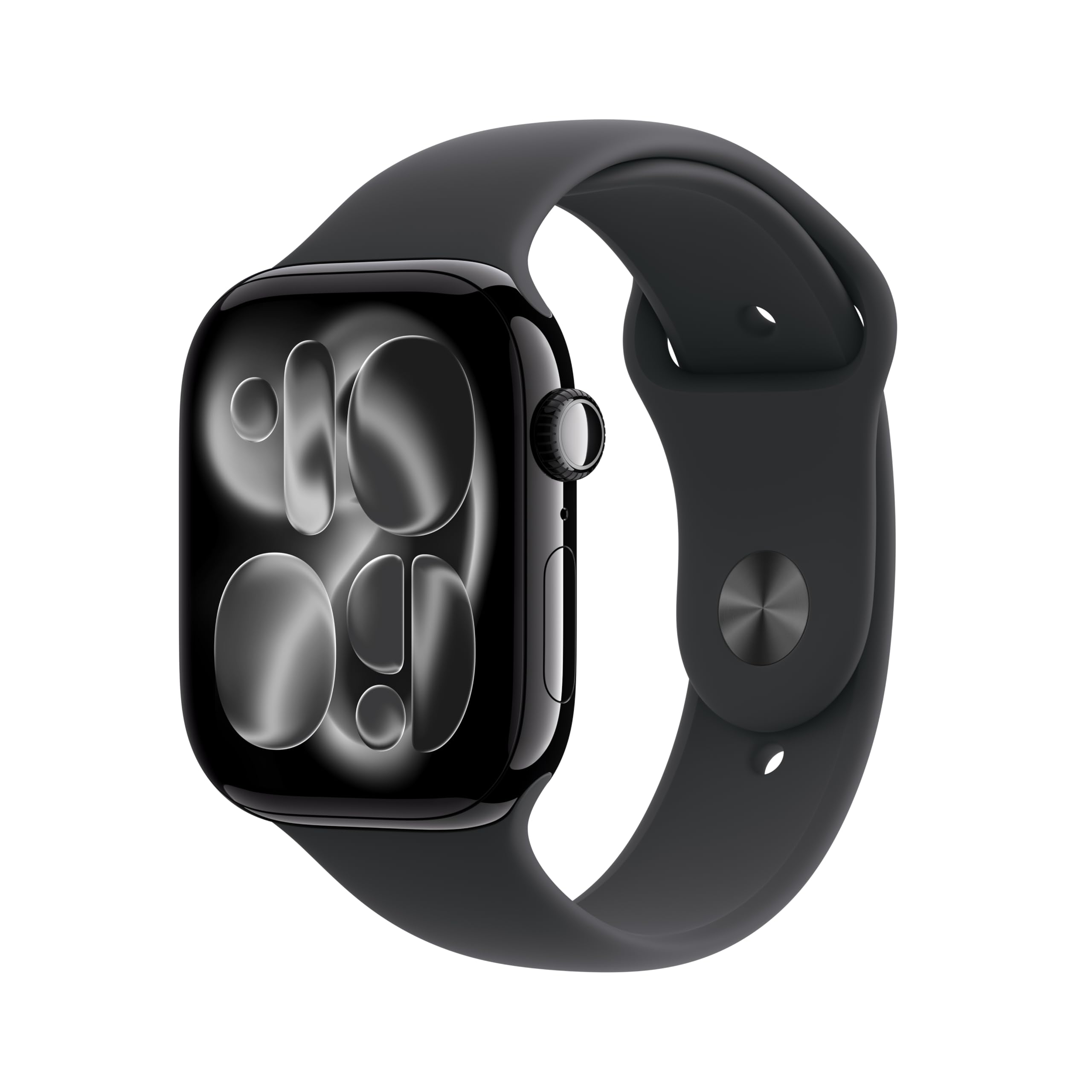
Apple Watch Series 11 GPS 46mm, Jet Black Aluminum
Check the current price and availability on Amazon.
Design and comfort
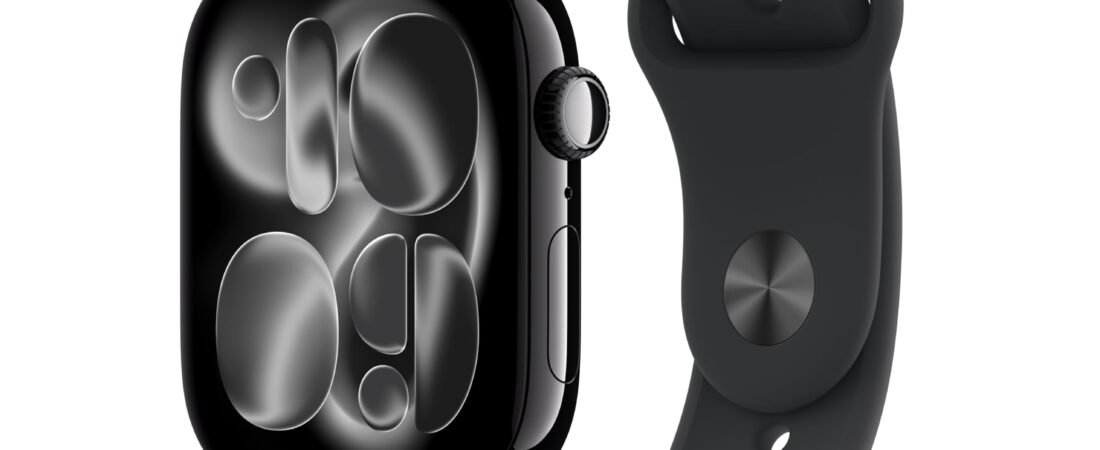
In the Apple Watch vs Galaxy Watch design matchup, the Apple Watch keeps its familiar rectangular silhouette, now in a slimmer 9.7mm profile available in 42mm and 46mm sizes. It’s lighter on the wrist, which shows up most during workouts and overnight sleep tracking — two areas where added weight and bulk become noticeable fast.
The Galaxy Watch 8 goes the traditional round-face route and feels more substantial in hand — some people read that as premium, others find it a bit bulkier for daily wear. Neither approach is objectively better; it comes down to which you’d actually want strapped to your wrist for 16 hours a day.
Display and battery: where Samsung pulls ahead
This is genuinely one of the more decisive differences in the Apple Watch vs Galaxy Watch matchup. The Galaxy Watch 8 hits up to 3,000 nits of brightness, noticeably outshining the Apple Watch’s 2,000-nit Always-On display in direct sunlight. Battery life follows the same pattern — Samsung consistently delivers around two days per charge, while the Apple Watch is still an every-night-charging device, even with this generation’s improvements. If all-day (and then some) battery life matters more to you than any other single factor, this is the category where Samsung has a real, measurable edge.
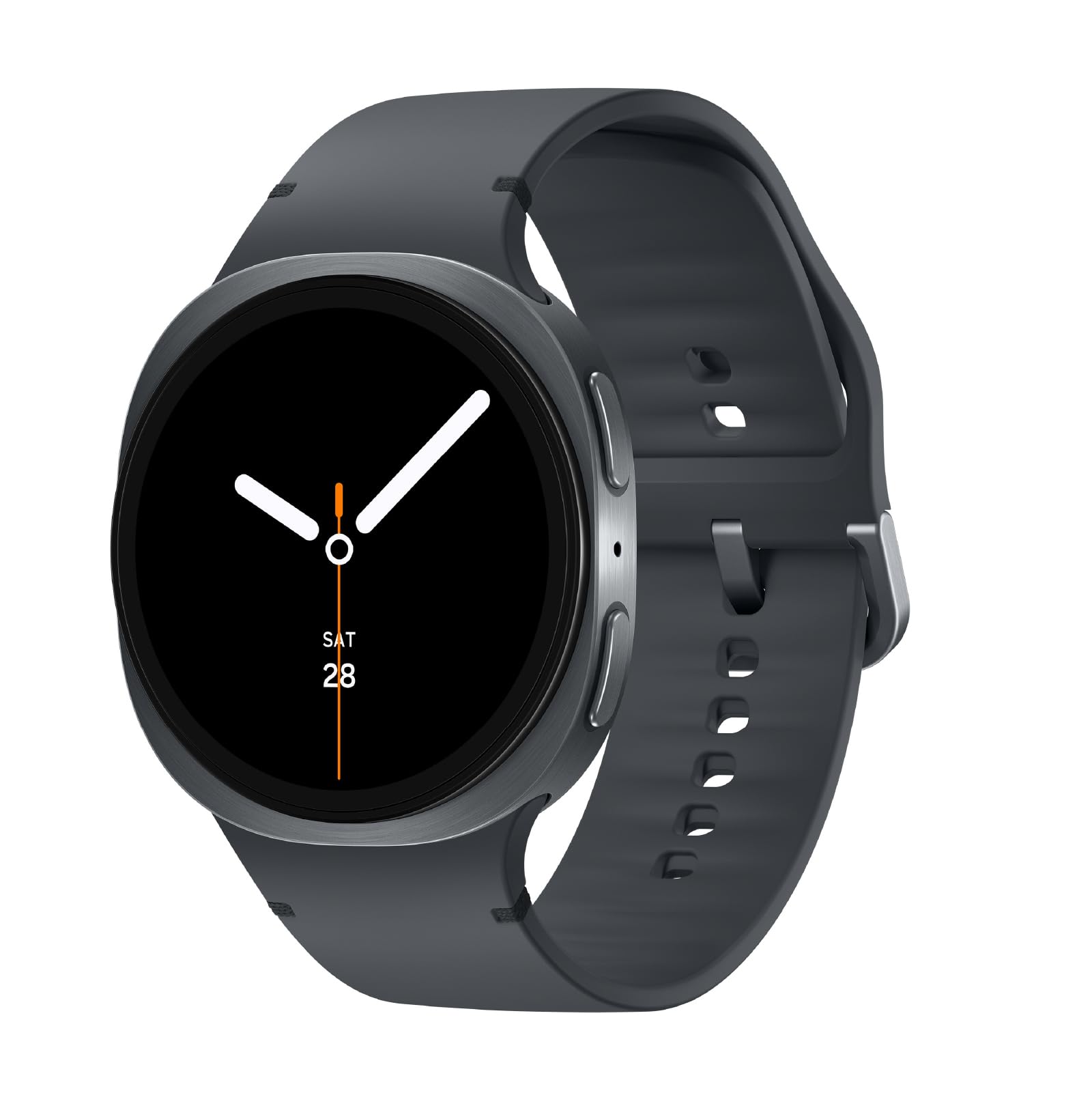
Samsung Galaxy Watch 8 (2025) 44mm, Graphite
Check the current price and availability on Amazon.
Health tracking: different strengths
Apple’s headline addition this generation is hypertension notifications — a genuine, clinically meaningful health feature that can flag signs of high blood pressure over time. Combined with its existing ECG and fall detection tools, it remains the most medically-oriented smartwatch on the market, backed by FDA clearance on several of its features.
Samsung counters with Google Gemini built directly into the watch — an on-wrist AI assistant that can set reminders, summarize notifications, or explain your sleep data in plain language, on top of a broad suite of health sensors. It’s a different kind of “smart” — less clinical, more conversational — but genuinely useful day to day.
Ecosystem and app selection
This is where Apple still has a clear lead. The Apple Watch benefits from the largest third-party app library of any smartwatch platform, plus the tightest integration with iPhone features — instant handoff, Apple Pay, Find My, and seamless notifications. On the app front of Apple Watch vs Galaxy Watch, Samsung has closed a lot of this gap with its own coaching tools and Wear OS integration, but if a deep bench of dedicated apps matters to you, Apple still wins that category outright.
So which should you actually buy?
When it comes to Apple Watch vs Galaxy Watch, the decision is simpler than the spec sheets make it look: if you have an iPhone, get the Apple Watch. If you have a Samsung or other Android phone, get the Galaxy Watch. That’s genuinely the deciding factor for the vast majority of people — everything else in this comparison is secondary to whether the watch can even talk properly to the phone in your pocket. To sum up the Apple Watch vs Galaxy Watch decision within that choice: pick Apple if health monitoring depth and app selection matter most to you, and pick Samsung if display brightness, battery life, and an AI assistant on your wrist matter more.
FAQ
Can I use an Apple Watch with an Android phone?
No — the Apple Watch requires an iPhone for setup and loses the vast majority of its features without one.
Does the Galaxy Watch work with an iPhone?
Not fully. It can pair in a limited capacity, but you lose most of its smart features and health tracking depth outside the Samsung/Android ecosystem.
Which one has better battery life?
The Galaxy Watch 8, typically reaching around two days per charge compared to about 24 hours on the Apple Watch Series 11.
This post contains affiliate links. If you buy through one of them, we may earn a small commission at no extra cost to you. See our affiliate disclosure for details.
Apple Watch Series 11 vs Galaxy Watch8: what matters before you buy
A strong buying decision is easier when you separate headline features from the parts that affect everyday ownership. For Apple Watch Series 11 vs Galaxy Watch8, the most useful questions are about phone ecosystem, health features, battery expectations, app support, comfort and long-term ownership. Those factors usually matter more after a few weeks than launch-day excitement or one standout specification.
Think about the job you want this smartwatch comparison to do. If it solves a problem you face every day, paying more can make sense. If the feature will only be used occasionally, a simpler or older option may deliver better value.
- List the two or three features you will use every week.
- Check compatibility with the devices, apps or accessories you already own.
- Compare the full ownership cost, not only the purchase price.
- Read the return policy and warranty before buying a premium device or accessory.
Who should consider Apple Watch Series 11 vs Galaxy Watch8
This product or comparison is most relevant for buyers who already know the limitation they are trying to fix. Someone upgrading for a specific camera, battery, comfort, portability or ecosystem reason has a clearer path than someone upgrading only because a new model exists.
If your current setup still handles the same tasks comfortably, waiting can be the smarter decision. Consumer tech improves quickly, and skipping one generation often creates a more meaningful upgrade later.
Long-term ownership questions
Before ordering, think beyond the first week. Accessories wear, batteries age, software support changes and some features depend on cloud services or subscriptions. Check which parts of the experience are included permanently and which may create future costs.
Also consider resale value, repairability and how easy it is to replace cables, tips, straps, cases or other wear items. A slightly more expensive product can be easier to own when replacement parts and support are easy to find.
How to compare reviews without getting lost
Different reviewers test different priorities. One may focus on raw performance while another emphasizes comfort, camera output or travel. Look for agreement across several sources, then pay closest attention to the tests that match your own use. A benchmark that never affects your routine should not outweigh a comfort or compatibility issue you will notice every day.
Buying checklist
- Does it solve a problem you have now?
- Does it work with your existing hardware and software?
- Are the most important features available without extra subscriptions?
- Is the size, weight or installation realistic for your routine?
- Would a cheaper model solve the same problem well enough?
Bottom line
Use the comparison to narrow the field, then choose based on the features that affect your real routine. The best purchase is the one that fits your devices, habits and budget without paying for capabilities you will rarely use.