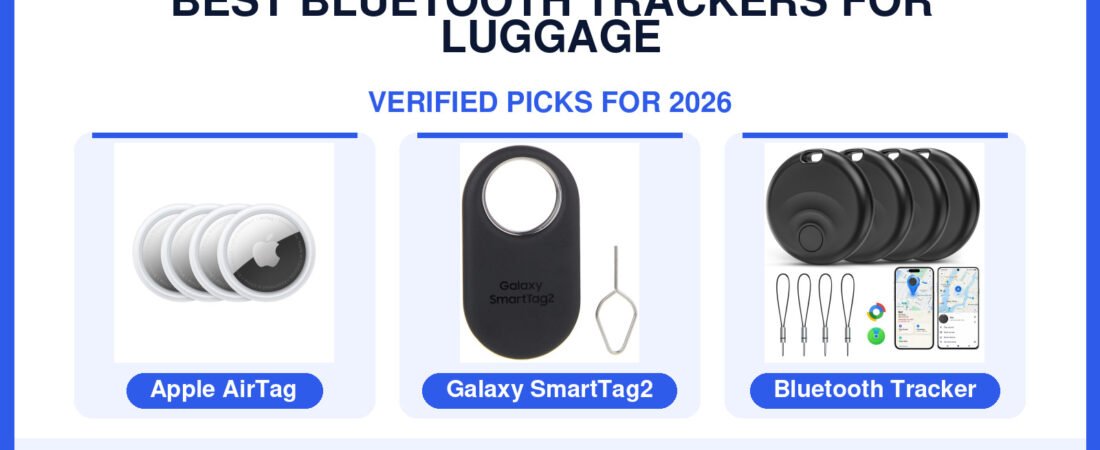
2026 Buying Guide · Travel Tracking
Quick answer: which luggage tracker should you buy?
The best Bluetooth trackers for luggage depend first on your phone ecosystem. AirTag is the natural fit for iPhone users, Galaxy SmartTag2 is strongest for Samsung users, and a compatible cross-platform tracker can make sense for mixed-device households.
A tracker cannot make an airline move faster, but it can show whether your suitcase is nearby, still at the departure airport, or somewhere else entirely. Network reach matters more than the plastic tag itself.
Affiliate disclosure: As an Amazon Associate, Mobile Gear Picks earns from qualifying purchases. Prices and availability can change.
How luggage trackers actually work
Most consumer trackers do not contain a full cellular modem or GPS subscription. Instead, they broadcast a secure Bluetooth signal. Nearby phones participating in the matching network can detect that signal and anonymously relay an approximate location to your account.
This is why a tracker may update frequently in a busy airport but much less often in a remote storage area. Network density matters.
Best Bluetooth trackers for luggage: our practical picks
These three options cover the most common phone ecosystems. The images are kept compact so the products stay easy to compare on both desktop and mobile.

Apple AirTag
Best for iPhone users. Deep Find My integration and a huge surrounding device network.
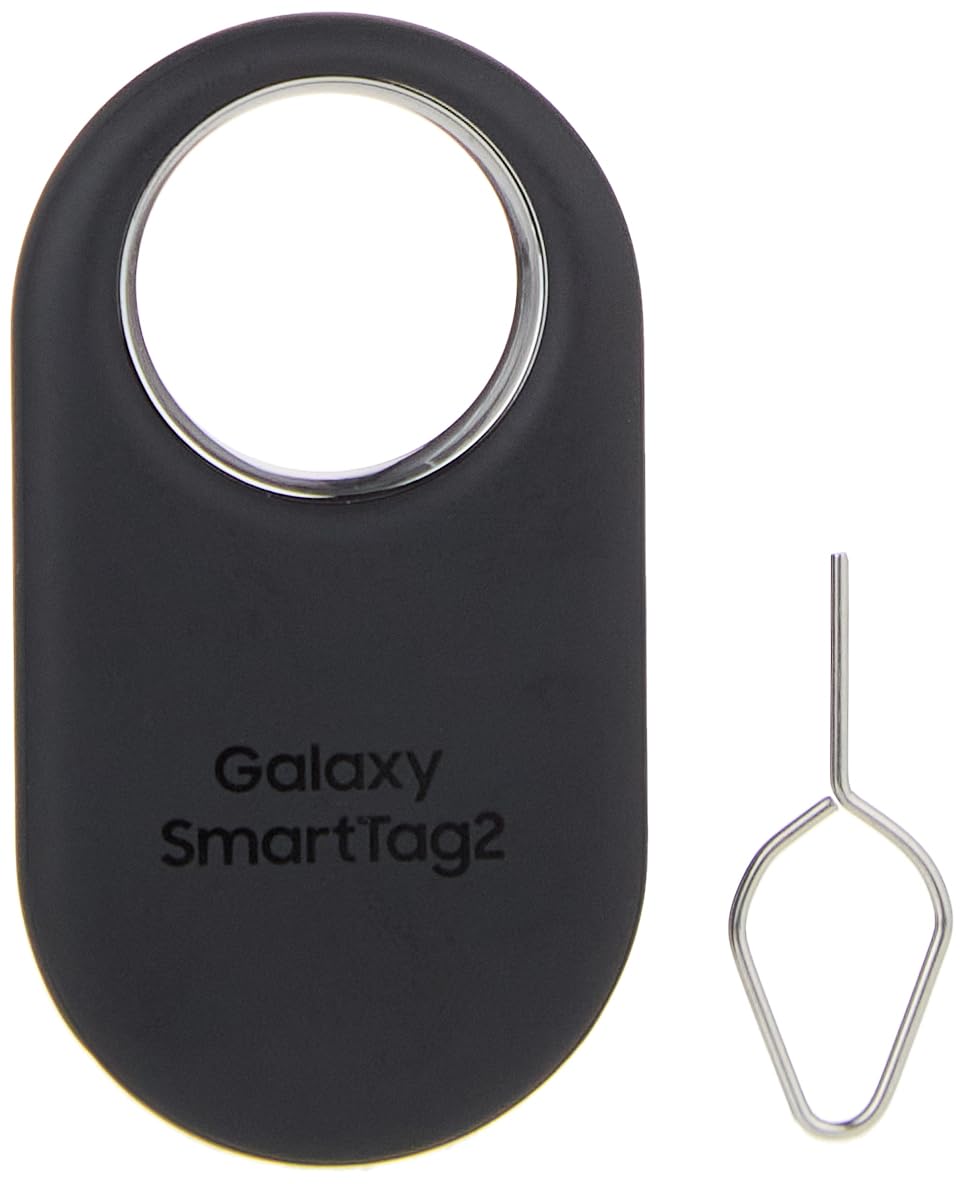
Samsung Galaxy SmartTag2
Best for Galaxy users. Strong integration with Samsung’s SmartThings Find ecosystem.
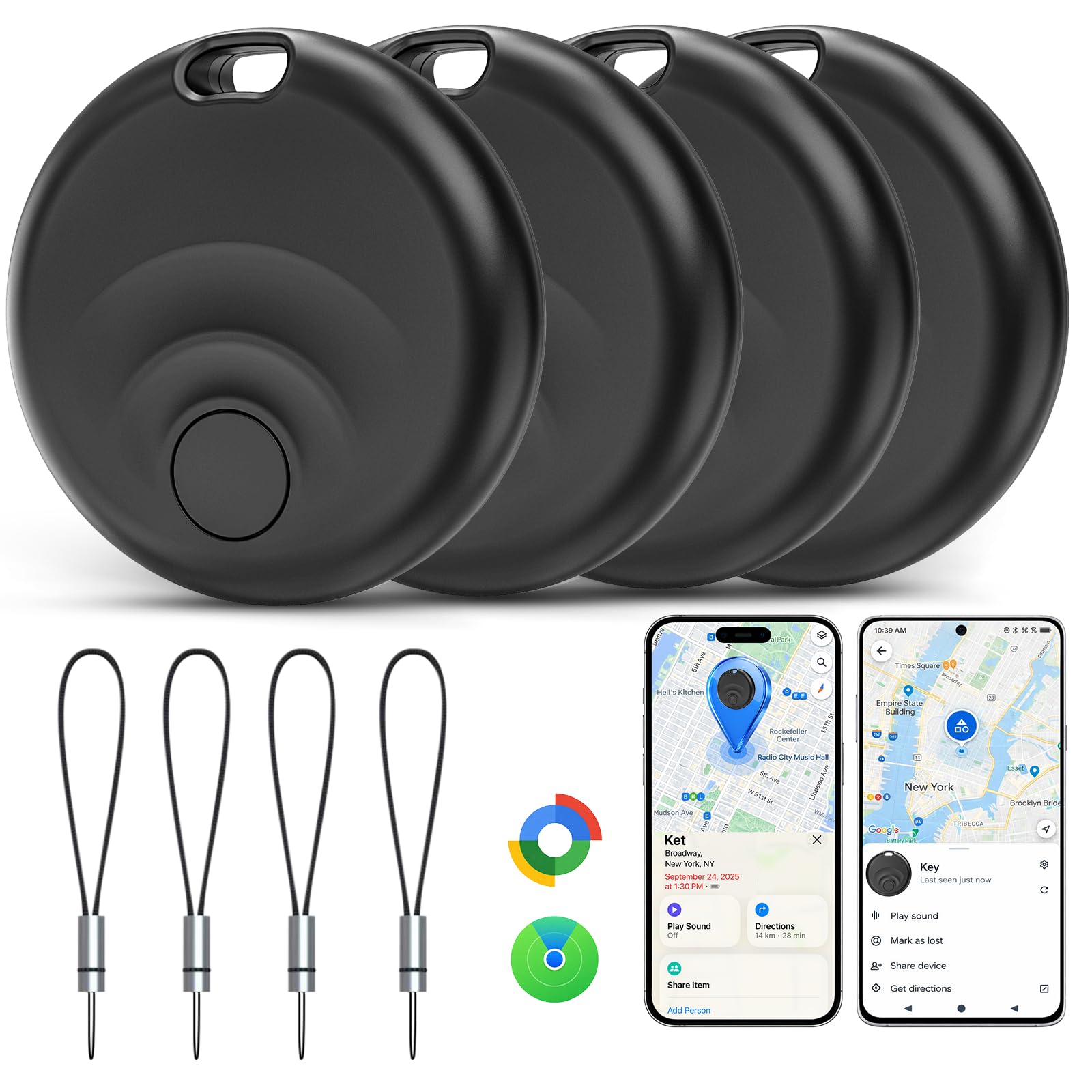
Cross-platform tracker
Best for mixed-device households. Worth considering when not everyone uses the same phone platform.
AirTag vs SmartTag: start with your phone
The most important choice is ecosystem compatibility. An AirTag is most useful when paired with an iPhone and Apple ID. A Samsung tracker is strongest inside the Galaxy ecosystem. Buying the wrong ecosystem because the tag itself was cheaper usually creates a worse experience.
Do trackers work inside checked luggage?
In normal use, Bluetooth trackers are commonly placed inside suitcases or attached securely within luggage. Airline rules can evolve, so always check the current policy of the airline you are flying and review the FAA PackSafe guidance before departure. The small coin-cell batteries used in many trackers are different from large rechargeable lithium battery packs, but travel regulations should still be verified.
Why precision finding matters
Some trackers and phones support ultra-wideband direction finding, which can help when the bag is nearby. Instead of only showing a rough location, the app may point you toward the tracker. This is especially useful in a hotel room, parking garage or crowded baggage area.
Replaceable battery or rechargeable?
Replaceable coin-cell batteries can last a long time and are easy to swap. Rechargeable trackers reduce disposable battery use but require you to remember another charging routine. For luggage, long standby life is usually more valuable than frequent recharging.
What a tracker cannot do
A tracker cannot guarantee recovery, force an airline to release luggage, or continuously transmit from every location. It is an additional information tool. If your airline loses a bag, you still need to file the normal baggage report and follow its process.
Privacy and unwanted tracking alerts
Major tracker platforms have introduced anti-stalking alerts and cross-platform warnings to help people detect unknown trackers moving with them. These features can sometimes produce confusing notifications, but they are important safeguards. Use trackers for your own belongings and respect local laws.
Should the tracker go inside or outside the suitcase?
Inside is safer from accidental removal or damage. An external holder can make battery access easier but also makes the tracker obvious. For checked luggage, a secure internal pocket is usually the less exposed choice.
Are cheap generic trackers worth it?
Some are fine for finding keys around the house, but luggage use depends heavily on the crowd network. A cheap tag with a tiny user base can be much less useful once your bag leaves Bluetooth range. Check which network the tracker uses, not just its advertised range.
Can the airline use your tracker location?
Tracker information can help you explain where your bag appears to be, but airline staff may rely on their own baggage systems. Treat the tracker as supporting information rather than proof that guarantees immediate access.
FAQ
Do Bluetooth trackers need a monthly fee?
Many popular options do not require a monthly subscription for basic network tracking, but features vary by brand.
Can a tracker show live movement?
Updates depend on nearby network devices, so it may not behave like a real-time cellular GPS tracker.
Should I put one in every checked bag?
If you value location information, one tracker per bag is the simplest setup.
Three luggage trackers to compare by phone ecosystem
For luggage, the network matters more than the plastic tag. Start with the phone you already own, then compare battery life, finding features and whether you want a single tag or a multipack for several bags.
Apple AirTag 4 Pack
Best for: iPhone households with multiple suitcases, backpacks or keys to track.
Check first: AirTag makes the most sense inside Apple’s Find My ecosystem.
Samsung SmartTag2
Best for: Galaxy users who want Samsung ecosystem integration and UWB support on compatible phones.
Check first: compatibility is strongest with Samsung devices, so do not buy by price alone.
Cross-platform Tracker Pack
Best for: mixed-phone households that want broader iOS and Android flexibility.
Check first: confirm which crowd-finding network the exact model uses before travel.
Amazon prices and availability can change. Product images and listings above are pulled from the connected Hostinger Affiliate/Amazon integration.
Bottom line
The best Bluetooth trackers for luggage are the ones that match your phone ecosystem and give you the widest useful detection network where you travel. For most buyers, network reach matters more than tiny differences in tag size.
How we prepared this guide
This article was researched and drafted with AI assistance, then reviewed for clarity and usefulness. It does not claim hands-on laboratory testing. Verify current airline rules and tracker compatibility before travel.
How to choose the best Bluetooth trackers for luggage
The best Bluetooth trackers for luggage connect to a large finding network, not just to your own phone when it is nearby. Before buying, check whether the product works best with Apple, Android or a brand-specific ecosystem. Cross-platform compatibility can matter if several people in the household use different phones.
Battery replacement is another practical detail. Coin-cell models are easy to keep running for years, while rechargeable trackers reduce battery waste but need another charging routine. For luggage, a compact tracker hidden inside the bag is usually more useful than one hanging visibly outside.
What a tracker cannot do
Bluetooth trackers are not the same as live GPS devices with cellular service. Location updates depend on nearby compatible devices and network coverage, so use them as a helpful recovery tool rather than a guarantee that a bag can always be tracked in real time.
Travel tip: Before a trip, rename the tracker in its app, test the alert sound and confirm the battery status. Keeping a contact card inside the luggage is still useful because technology should complement, not replace, basic identification.
What actually matters after the tracker is in your bag
A luggage tracker is most useful when it disappears into your routine. The ideal setup is simple: pair it before the trip, confirm it appears in the correct app, place it somewhere inside the suitcase where it will not fall out, and check the battery status before leaving home. That matters more than chasing tiny differences in size.
Network reach matters more than raw Bluetooth range
Bluetooth range is useful when the bag is nearby, such as in a hotel room or around baggage claim. For a suitcase that is farther away, the bigger question is the crowd-sourced device network behind the tracker. Buyers should choose a tracker that works naturally with the phone ecosystem they already use rather than buying a tag with features they cannot fully access.
Think about battery replacement before the next trip
A tracker with a replaceable battery can be convenient for frequent travelers because you can refresh it before a long trip instead of replacing the whole device. Whatever model you choose, check battery status a few days before departure. A tracker with a weak battery is exactly the kind of problem you do not want to discover after checking the bag.
Where to place a tracker
Keep the tracker inside the luggage rather than hanging it outside where it can be knocked off. A zippered inner pocket is usually a practical location. Avoid burying it inside dense metal objects or wrapping it in materials that may unnecessarily reduce signal performance.