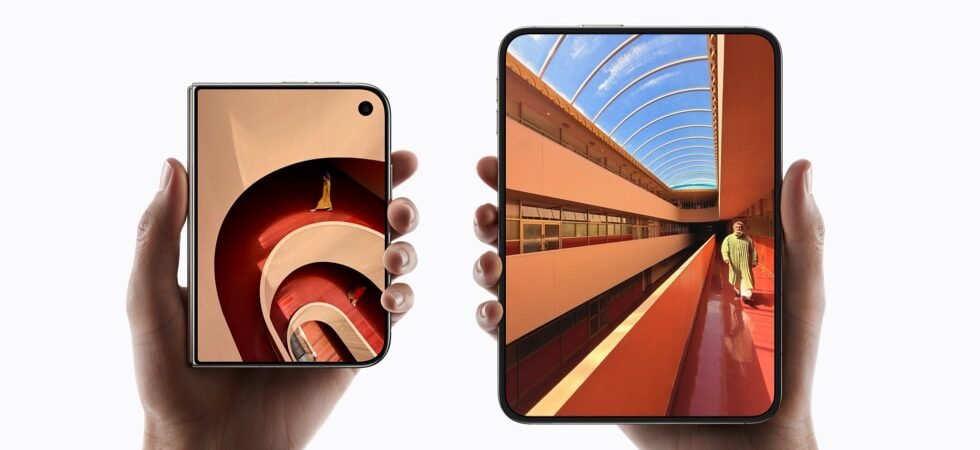
For a current selection of outer-screen protection, browse iPhone Duo screen protector listings on Amazon. Affiliate link: we may earn from qualifying purchases. Confirm exact foldable-model compatibility before ordering.
2026 Buying Guide · iPhone Duo Protection
Protect the outer screen first. Treat the folding display differently.
The best iPhone Duo screen protectors are not one-size-fits-all. The outer cover display can use conventional tempered glass, while the inner folding display needs a protector specifically designed for a flexible screen.
For most buyers, the smartest first purchase is high-quality outer-screen protection with accurate alignment and case-friendly edges. The inner display deserves more caution because added thickness, adhesive and edge lift can interfere with a folding surface.
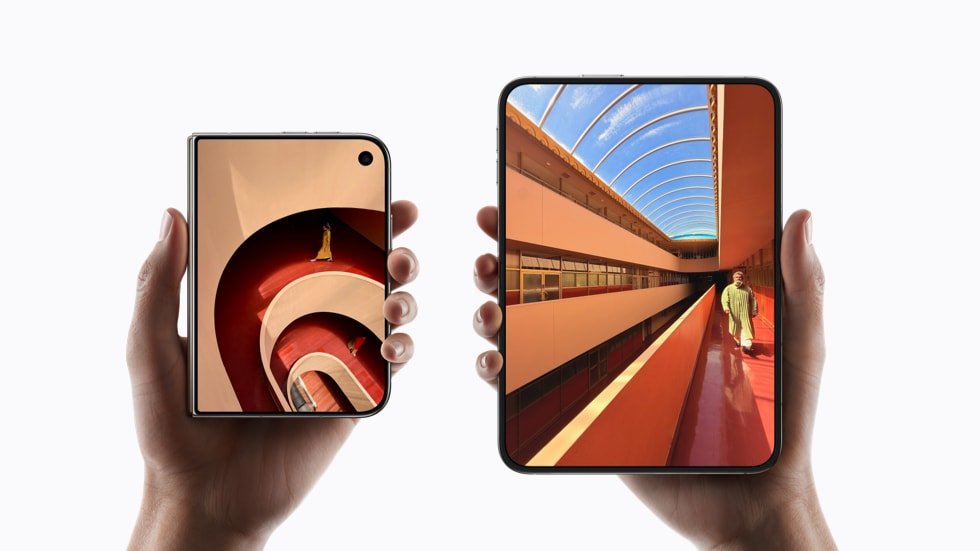
Affiliate disclosure: Mobile Gear Picks may earn from qualifying purchases. Prices, availability and accessory compatibility can change.
Quick answer
The best iPhone Duo screen protectors strategy starts with tempered glass for the outer cover screen. Look for an alignment tray, case-friendly edges and a clear compatibility statement for the exact iPhone Duo model. Do not apply ordinary rigid glass to the inner folding display. Only use an inner protector that is explicitly designed for that flexible screen and supported by the phone or accessory manufacturer.
Best iPhone Duo screen protectors: what should you buy first?
If you only buy one protective accessory on day one, make it an outer-screen protector. The cover display faces keys, pockets, tables and everyday contact much like a normal smartphone screen. Tempered glass is well suited to that job because it can take surface scratches and small impacts without changing the feel of the phone very much.
The inner display is different. It bends, it closes against itself and it has tighter tolerances around the fold. That means a material that works perfectly on the outer display can be the wrong choice inside. Good iPhone Duo screen protectors should match the surface they are protecting instead of treating both displays as identical.
Outer cover screen
Best protection type: model-specific tempered glass.
Prioritize accurate sizing, smooth edges, an oleophobic coating and a reliable installation tray. This is the easiest place to add meaningful everyday scratch protection.
Inner folding display
Best protection type: only a flexible solution explicitly designed for the folding panel.
Avoid generic rigid glass. If the phone ships with an inner film or the manufacturer gives specific care instructions, follow those instructions rather than experimenting with extra layers.
Why the outer display is the easiest win
The outer display behaves more like the screen on a conventional smartphone. It is exposed when the phone is folded, it is likely to touch a pocket or desk, and it gets used for quick notifications, calls and everyday tasks. That makes it the most straightforward place to use tempered glass.
For iPhone Duo screen protectors, a good outer-screen product should fit precisely enough that a case does not lift the corners. A slightly oversized protector can look attractive in a listing but become annoying once a case frame presses against it. Case-friendly margins are usually more useful than chasing glass that reaches every last fraction of a millimeter.
What to look for in a good outer-screen protector
- Exact model fit: the listing should clearly name the iPhone Duo rather than using a vague universal size.
- Alignment tray: a frame reduces crooked installation and makes a multi-pack more useful.
- Case-friendly edge spacing: leave enough room for the front frame of a protective case.
- Oleophobic coating: helps reduce fingerprints and makes the glass easier to wipe clean.
- Clear sensor and camera areas: avoid protectors that introduce unnecessary cutout clutter.
- Useful multipack: two or three sheets give you a second chance if dust gets trapped during installation.
Installation tray or bare glass?
An alignment system is one of the few screen-protector features that can genuinely improve the experience. A good tray controls left-to-right placement and keeps the glass square with the display. That matters on a foldable because the outer screen can be narrower than buyers are used to, making a slightly crooked protector more noticeable.
Bare glass can still work if you are comfortable installing protectors by hand, but the price difference is often small enough that an alignment tool is worth having. For most buyers comparing iPhone Duo screen protectors, easier alignment is a practical feature, not a gimmick. When comparing iPhone Duo screen protectors, we would choose better fit and installation support over marketing claims about extreme hardness.
Case compatibility matters more than people expect
A screen protector can fit the glass perfectly and still fail once you add a case. If the case lip touches the protector, pressure can slowly lift an edge and let dust underneath. The best setup leaves a small, even gap between the screen protector and case frame.
If you are planning a full protection setup, compare our screen protector vs phone case guide and our best phone cases for drop protection. The two accessories solve different problems, and they work best when they do not interfere with each other.
Should you put glass on the inner folding display?
Not ordinary tempered glass. The inner screen bends whenever the phone opens and closes, so a rigid sheet is fundamentally different from the flexible surface underneath it. Even if a generic protector appears to stick at first, the fold can create edge stress, bubbles, lifting or pressure in the crease area.
This is the part of the phone where caution matters more than experimentation. With iPhone Duo screen protectors, inner-screen compatibility should be explicit, not assumed. If a future accessory is marketed for the inner display, read the installation instructions carefully and check whether it is meant to replace an existing film or sit on top of it. Adding layers without clear guidance can change how the display folds.
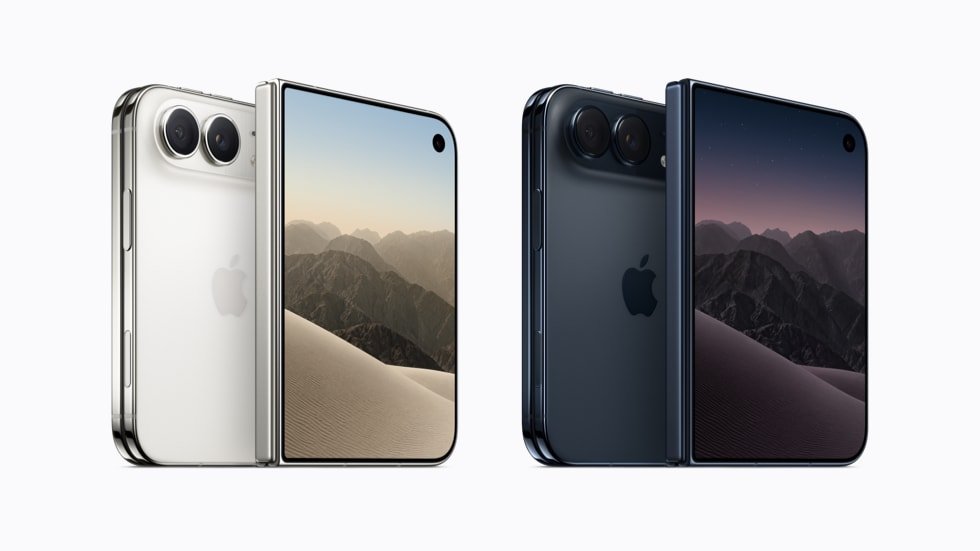
For a broader look at the device itself, our iPhone Duo early review explains the foldable layout and the tradeoffs that come with a two-screen design.
Before changing or removing any factory-installed inner protection, check Apple’s current iPhone support guidance for the latest care and service information.
How we evaluate iPhone Duo screen protectors
We focus on fit, installation method, edge behavior and realistic compatibility rather than just hardness numbers printed on a box. A useful protector should sit flat, avoid blocking visible areas, work with common case designs and be easy enough to install that buyers do not waste every sheet in the pack.
For the outer screen, we prefer tempered glass with a guided installation system and clear model labeling. For the inner screen, we look for explicit foldable-screen support and clear installation guidance. If a listing does not explain which display it protects, that is a reason to slow down before buying.
We also avoid treating a generic accessory as a verified iPhone Duo product simply because the dimensions look close. The best iPhone Duo screen protectors should be sold for the exact model, especially around curved edges, sensors and case clearances.
Do you need privacy glass?
Privacy glass can make sense if you often use the outer display on trains, planes or in crowded public spaces, but it comes with tradeoffs. It can reduce viewing angles by design and sometimes makes the screen appear slightly dimmer. For navigation, photography or bright outdoor use, standard clear glass is usually the safer default.
If privacy is your priority when comparing iPhone Duo screen protectors, make sure the product is still case-friendly and does not interfere with the visible area of the narrower cover display. On a foldable, a privacy filter that is even slightly misaligned can be more distracting than it would be on a large conventional screen.
When should you replace the protector?
Replace outer-screen glass when it develops a crack, a lifted edge that collects dust, or deep scratches that make swiping uncomfortable. A tiny cosmetic mark is not an emergency, but a cracked protector can create sharp edges and may no longer sit evenly on the display.
Before installing a replacement, remove the old glass slowly, clean the screen carefully and use the dust stickers included with the new kit. Rushing the cleaning step is the easiest way to trap particles under fresh glass.
Buying checklist
- Confirm the exact iPhone Duo model is named in the listing.
- Check whether the product is for the outer or inner display.
- Prefer an alignment tray for the outer screen.
- Make sure the protector is compatible with your case.
- Avoid generic rigid glass on the folding inner display.
- Read recent fit comments before ordering.
- Recheck manufacturer guidance before altering any factory-installed inner film.
FAQ
Do iPhone Duo screen protectors need to cover both displays?
No. The outer and inner displays have different physical requirements. Buying separate protection designed for each surface is safer than assuming one material works everywhere.
Is 9H glass necessary?
Hardness labels can be useful for comparison, but fit, coating quality and installation accuracy matter just as much in everyday use. A perfectly fitted protector is more useful than a poorly fitting product with a bigger hardness claim.
Can I use a screen protector with a protective case?
Yes, and that is usually the best combination. Look for case-friendly glass that leaves a small margin around the edges so the case does not lift it.
Should I remove a factory-installed inner film?
Only if the manufacturer specifically instructs you to do so or an approved replacement procedure requires it. Do not peel or stack inner-screen layers just because an accessory listing suggests a universal fit.
Bottom line
For most owners, the best iPhone Duo screen protectors strategy is simple: protect the outer cover display with well-fitted tempered glass, then be conservative with the folding inner screen. Exact fit, clean installation and case compatibility matter more than flashy packaging or exaggerated hardness claims.
Mobile Gear Picks reviews product listings, specifications and compatibility information before publication. Accessory details can change, so verify the current listing and manufacturer guidance before ordering.